
Choosing the right Content Management System (CMS) is a critical decision for any business building a digital presence. Whether you’re launching a corporate website, an enterprise portal, or an advanced eLearning solution, your CMS directly impacts performance, scalability, security, and user experience.
Today, organizations usually face two major options: Open-Source CMS platforms or Custom (Bespoke) CMS Development. Each approach has its own strengths, limitations, and ideal use cases. At Technokaizen, we help businesses evaluate these options and implement CMS solutions that align with their goals, industry needs, and long-term growth plans.
In this blog, we’ll break down the differences between open-source and custom CMS development, explore their benefits and challenges, and help you decide which approach is right for your business.
Understanding CMS Development
CMS Development involves building, customizing, and maintaining a system that allows users to create, manage, and publish digital content without needing deep technical expertise.
Modern CMS platforms support:
- Website content management
- Multimedia handling
- User roles and permissions
- SEO optimization
- Integrations with third-party tools
Whether open-source or custom-built, a CMS serves as the backbone of digital experiences, including websites, intranets, and eLearning solutions.
What Is an Open-Source CMS Platform?
An Open Source Platform is a CMS whose source code is publicly available. Businesses can download, modify, and extend it according to their needs.
Popular open-source CMS platforms include:
- WordPress
- Drupal
- Joomla
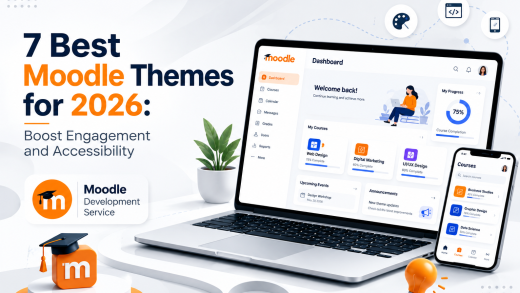
- Moodle (for eLearning solutions)
These platforms are widely used due to their flexibility and large developer communities.
Key Benefits of Open-Source CMS Development
1. Cost-Effective Entry Point
Open-source CMS platforms are usually free to use, making them ideal for startups and small businesses with limited budgets.
You save on:
- Licensing fees
- Initial development costs
This makes open-source CMS development attractive for fast launches.
2. Large Community Support
Open-source platforms have global communities of developers and contributors.
This means:
- Regular updates and improvements
- Extensive documentation
- Thousands of plugins and extensions
CMS developers can quickly add features using existing tools.
3. Faster Time to Market
Since the core system already exists, development is faster.
Open-source CMS platforms allow:
- Rapid website deployment
- Easy setup of standard features
- Quick customization through themes and plugins
This is useful for businesses that need to go live quickly.
4. Proven Stability
Popular open-source CMS platforms are tested by millions of users worldwide.
This ensures:
- Reliable performance
- Known security practices
- Stable core functionality
Platforms like WordPress and Drupal are trusted across industries.
Limitations of Open-Source CMS Platforms
Despite their advantages, open-source CMS solutions are not perfect.
1. Limited Customization at Scale
While plugins offer flexibility, complex workflows often require heavy customization.
Challenges include:
- Plugin conflicts
- Performance issues
- Dependency on third-party updates
As business needs grow, open-source platforms may feel restrictive.
2. Security Concerns
Because the source code is public, open-source platforms can be more vulnerable if not properly managed.
Security risks include:
- Outdated plugins
- Poorly written extensions
- Misconfigured systems
Strong security requires experienced CMS developers and regular maintenance.
3. Scalability Constraints
Open-source CMS platforms may struggle with:
- High traffic volumes
- Complex integrations
- Enterprise-level workflows
Significant optimization is often required to scale effectively.
What Is Custom (Bespoke) CMS Development?
Custom CMS Development, also known as Bespoke Solutions, involves building a CMS from scratch or heavily customizing a framework to meet specific requirements.
Unlike open-source platforms, custom CMS solutions are designed exclusively for your business.
Key Benefits of Custom CMS Development
1. Tailored to Your Business Needs
Custom CMS solutions are built around your workflows, goals, and users.
Benefits include:
- Custom content structures
- Role-specific dashboards
- Unique publishing workflows
This level of customization is impossible with most open-source platforms.
2. Better Performance and Scalability
Custom CMS development focuses on performance from the ground up.
Advantages include:
- Optimized database architecture
- Lightweight codebase
- Easy scalability as your business grows
This is ideal for enterprise websites and advanced eLearning solutions.
3. Enhanced Security
With custom CMS development, security is built into the system.
Security benefits include:
- No unnecessary features
- Custom authentication methods
- Reduced exposure to common vulnerabilities
This is especially important for data-sensitive industries.
4. Full Ownership and Control
With bespoke CMS solutions, you own the entire system.
This means:
- No vendor lock-in
- Full control over updates
- Freedom to evolve the platform
At Technokaizen, we design custom CMS platforms with long-term flexibility in mind.
Limitations of Custom CMS Development
1. Higher Initial Investment
Custom CMS development requires more upfront planning, design, and development.
Costs may include:
- Architecture design
- Development time
- Testing and deployment
However, this investment often pays off in long-term efficiency.
2. Longer Development Timeline
Unlike open-source platforms, custom CMS solutions take longer to build.
This approach is better suited for businesses with clear long-term goals rather than urgent launches.
Open-Source vs Custom CMS: A Direct Comparison
| Feature | Open-Source CMS | Custom CMS Development |
|---|---|---|
| Initial Cost | Low | Higher |
| Time to Market | Fast | Moderate |
| Customization | Limited | Full |
| Scalability | Moderate | High |
| Security | Depends on maintenance | Built-in |
| Ownership | Shared ecosystem | Full control |
| Best For | Small to mid-size projects | Enterprise & complex needs |
Which Option Is Right for eLearning Solutions?
For eLearning solutions, the choice depends on complexity.
Open-Source for eLearning
Platforms like Moodle are excellent open-source solutions for standard learning needs.
They work well for:
- Online courses
- Training portals
- Certification programs
With proper customization, open-source eLearning platforms can be highly effective.
Custom CMS for eLearning
Custom CMS development is ideal when:
- Learning workflows are unique
- Advanced analytics are required
- Deep system integrations are needed
Custom solutions allow full control over learning experiences.
Role of CMS Developers in the Decision
Experienced CMS developers play a key role in choosing the right approach.
They help by:
- Evaluating business requirements
- Identifying scalability needs
- Ensuring security best practices
- Recommending the right technology stack
At Technokaizen, our CMS developers guide clients through this decision with a strategic mindset.
When to Choose an Open-Source CMS Platform
Open-source CMS platforms are ideal if:
- You need a quick launch
- Budget is limited
- Requirements are standard
- Community plugins meet your needs
They are a great starting point for many businesses.
When to Choose Custom CMS Development
Custom CMS development is the right choice if:
- You need unique workflows
- Performance and scalability are critical
- Security is a top priority
- You want full control and ownership
Bespoke solutions deliver long-term value for growing organizations.
Why Technokaizen for CMS Development?
At Technokaizen, we don’t push one solution for every client. We focus on what works best for your business.
Our CMS Development Services Include:
- Open-source CMS customization
- Custom CMS development
- CMS consulting and strategy
- Integration with enterprise systems
- Ongoing support and optimization
We build secure, scalable, and future-ready CMS platforms tailored to your goals.
Final Thoughts
The right choice depends on your business size, goals, technical requirements, and growth plans.
With expert guidance from Technokaizen and skilled CMS developers, you can confidently choose and build a CMS that powers your digital success—whether it’s an open-source platform or a fully bespoke solution designed just for you.